
Why Exploration Is Essential in an Early Learning Centre

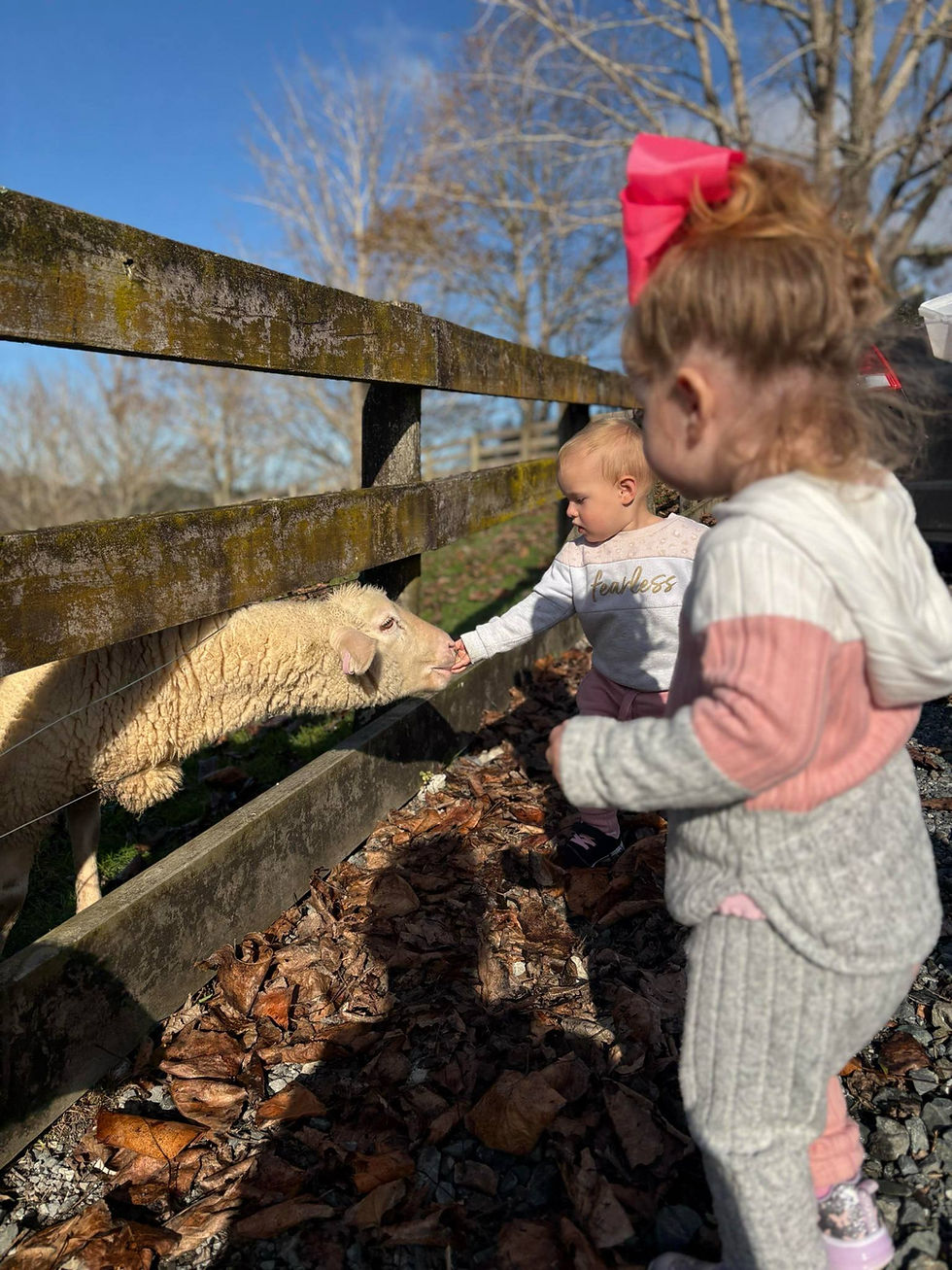
Exploration is one of the most natural ways young children learn. Long before they can explain their thinking in words, they are testing, touching, climbing, sorting, listening, watching and trying again. In an early learning centre, this curiosity becomes more than simple activity. With the right environment and skilled teachers, exploration becomes the foundation for confidence, language, social skills and school readiness.
For families choosing childcare or preschool, it can be tempting to focus only on routines, facilities and preparation for primary school. Those things matter, but children also need space to wonder. They need adults who understand that a toddler tipping water between cups is learning about volume, a preschooler building a wobbly tower is learning about balance and a child digging in the garden is learning through all their senses.
That is why exploration is essential in an early learning centre. It gives children meaningful experiences they can build on every day, at their own pace, with caring adults nearby.
What Exploration Looks Like in Early Childhood Education
Exploration in an early learning centre is not the same as letting children do anything without guidance. It is a thoughtful balance of freedom, safety and intentional teaching. Children choose, experiment and follow interests, while teachers observe closely and extend learning when the moment is right.
In practice, exploration might look like children:
Mixing sand and water to see how the texture changes
Investigating leaves, insects and stones in an outdoor area
Building with blocks, loose parts or natural materials
Trying new words during pretend play with friends
Painting, mark-making or using clay to express ideas
Climbing, balancing and testing what their bodies can do
These moments may look simple from the outside, but they are full of learning. A child who asks, “Why did it fall?” is beginning to think like a problem-solver. A child who negotiates over shared blocks is practising communication. A child who keeps trying after a tower collapses is building persistence.
New Zealand’s early childhood curriculum, Te Whāriki, recognises children as confident and competent learners. Exploration fits naturally with this approach because it supports children to learn through active involvement, relationships and meaningful experiences.
Exploration Builds Confidence and Independence
Children develop confidence when they are trusted to try. In a nurturing early learning environment, they can make choices, take manageable risks and discover that their ideas matter.
This does not mean children are pushed beyond what feels safe. A good early learning centre provides secure relationships first. When children feel known and supported, they are more willing to explore. They might step onto a low climbing frame, join a new group activity or ask a question during mat time because they know a familiar teacher is close by.
Over time, these small steps add up. Children begin to see themselves as capable. They learn to put on their own shoes, pour their own water, solve minor problems with peers and choose resources for their play. Independence is not taught in one lesson. It grows through repeated chances to participate.
This is one reason a calm, attentive atmosphere matters so much. If you are considering childcare options, our guide to why a nurturing daycare environment matters explains how emotional security supports children’s confidence and learning.
Exploration Supports Brain Development
Early childhood is a period of rapid brain development. Children are constantly making connections between what they see, feel, hear and do. Exploration gives them the repeated, hands-on experiences needed to strengthen those connections.
For example, when a child experiments with ramps and balls, they are not memorising a science fact. They are noticing speed, direction, force and cause and effect. When they sort shells by size or colour, they are building early maths concepts. When they listen to a story then act it out with friends, they are developing memory, language and symbolic thinking.
The most powerful learning often happens when children are active participants rather than passive listeners. They remember what they can touch, move, test and discuss. This is why play-based learning is so valuable in an early learning centre. It turns abstract ideas into real experiences.
Area of development | How exploration helps | Example in an early learning centre |
Language | Encourages children to ask, describe and explain | Talking about what happens when water is poured through funnels |
Problem-solving | Helps children test ideas and adjust plans | Rebuilding a block tower after it falls |
Social skills | Creates chances to share, negotiate and collaborate | Planning a pretend cafe with friends |
Physical development | Builds coordination, balance and body awareness | Climbing, digging, carrying and balancing outdoors |
Emotional resilience | Supports persistence and flexible thinking | Trying again when an activity does not work the first time |
The Teacher’s Role in Exploration
Exploration is most effective when teachers know when to step in and when to step back. Qualified early childhood teachers do much more than supervise play. They notice children’s interests, introduce new language, ask useful questions and plan experiences that deepen learning.
A teacher might see a group of children collecting leaves and extend the play by offering magnifying glasses, books about trees or art materials for leaf rubbings. They might notice a child repeatedly lining up toy cars and gently introduce counting, patterning or positional words like beside, behind and between.
The skill is in making learning richer without taking over. Too much adult direction can shut down curiosity. Too little support can mean children miss chances to stretch their thinking. This is where professional judgement matters.
At Aubrey Early Learning Centre, qualified teachers work with children in age-specific spaces, supporting both care and learning in ways that suit each stage of development. You can learn more about this in our article on what qualified early childhood educators bring to your child.
Why Outdoor Exploration Is Especially Powerful
Outdoor play offers a type of exploration that indoor environments cannot fully replace. Nature changes from day to day. The ground can be dry, damp, muddy or covered in leaves. Sticks, flowers, clouds, insects and shadows all invite questions. Children learn to observe closely because the environment is alive and changing.
In a rural setting near Stillwater, outdoor exploration can support children’s connection with the natural world in a very practical way. They can run, climb, dig, balance and engage their senses while learning to care for living things. These experiences support physical development, but they also help children slow down, notice patterns and develop respect for their environment.
Outdoor exploration also offers healthy challenge. A child balancing on a log learns about their body, their limits and how to manage risk. With active supervision and thoughtful boundaries, these moments help children become more capable rather than reckless.

For a deeper look at this topic, our article on nature-based childcare and learning outdoors explains how outdoor play supports curiosity, wellbeing and school readiness.
Exploration Looks Different at Each Age
A strong early learning centre understands that babies, toddlers and preschoolers do not explore in the same way. Each age group needs different resources, rhythms and levels of support.
Infants explore through close relationships, sensory experiences and movement. They learn by grasping, mouthing, listening, watching faces and responding to familiar voices. For babies, exploration must feel emotionally safe and physically gentle.
Toddlers are often busy investigators. They enjoy filling and emptying, climbing, pushing, carrying, repeating actions and testing limits. Their exploration can look messy because they are learning through movement and repetition. Patient teachers help toddlers name feelings, practise safe choices and develop early social skills.
Preschoolers begin to explore more complex ideas. They may plan games, ask detailed questions, build elaborate structures, create stories and work with friends toward shared goals. At this stage, exploration supports early literacy, numeracy, self-management and school preparation.
Age group | Typical exploration style | Helpful teacher support |
Infants | Sensory discovery, movement and attachment-based play | Warm interaction, safe spaces and responsive care |
Toddlers | Repetition, physical testing and cause-and-effect play | Simple language, boundaries and hands-on guidance |
Preschoolers | Imaginative play, group projects and early inquiry | Open-ended questions, planning support and school-ready routines |
This is why age-specific rooms can be so valuable. They allow teachers to provide experiences that are challenging enough to engage children without overwhelming them.
Exploration Helps Children Prepare for School
School readiness is sometimes misunderstood as learning letters, numbers and sitting still for long periods. Those skills have their place, but the foundations for school begin much earlier and are often built through exploration.
Children who have explored widely are more likely to ask questions, follow a process, work with others and persist when learning feels hard. They have practised listening, turn-taking, self-help skills and problem-solving in real situations. These abilities help them enter school as confident learners, not just children who can recite information.
For example, a child who spends weeks investigating insects may draw pictures, count legs, listen to books, learn new vocabulary and share discoveries with the group. That single interest can support science, language, maths, art and social learning. Because the learning is meaningful, the child is more engaged.
Exploration also helps children manage change. When they are used to trying new things in a supportive environment, they are better prepared for new classrooms, new teachers and new routines.
Safety Makes Exploration Possible
Children can only explore well when the environment is safe, calm and well supervised. Safety does not mean removing every challenge. It means creating spaces where children can test themselves without being exposed to unreasonable harm.
A quality early learning centre considers room layout, outdoor equipment, hygiene, teacher ratios, visibility and age-appropriate resources. Teachers also help children learn safety language, such as waiting for a turn, checking where their body is in space or asking for help when needed.
Wellbeing is part of this bigger picture too. Children are more ready to explore when their basic needs are met, including rest, nutrition, hygiene and healthcare routines. Families may also support children’s confidence around wider health experiences, such as dental visits. For example, services that include children’s dentistry, such as Beenleigh Dental, can help families think about how gentle, child-aware care supports overall wellbeing.
When safety and warmth are built into the day, exploration becomes joyful rather than stressful.
How Families Can Encourage Exploration at Home
Exploration does not stop when children leave the centre. Home routines offer many chances to extend curiosity in simple, everyday ways. You do not need expensive toys or formal lessons. Children learn from helping prepare food, sorting socks, watering plants, noticing birds, building with boxes and talking about what they see.
Parents and whānau can support exploration by giving children time, listening to their questions and allowing them to try manageable tasks independently. Instead of rushing to fix a problem, try pausing and asking, “What could you try next?” This helps children develop confidence in their own thinking.
Good communication between families and teachers also makes exploration stronger. When teachers know what children are interested in at home, they can build on those interests at the centre. When families know what children are exploring during the day, they can continue the learning naturally at home.
If you would like practical ideas, our article on ways to extend early learning at home shares simple ways to turn daily routines into learning moments.
Choosing an Early Learning Centre That Values Exploration
When visiting an early learning centre, look for signs that children are genuinely engaged. Are they busy with open-ended play? Are teachers talking with children rather than only managing behaviour? Are there natural materials, creative resources and spaces for both active and quiet exploration?
You can also ask how teachers plan from children’s interests, how outdoor play is used during the week and how the centre supports different age groups. The answers will tell you a lot about the centre’s teaching philosophy.
At Aubrey Early Learning Centre, our boutique setting near Stillwater is designed around nurturing care, play-based learning and outdoor discovery. With a small 50-child centre, two age-specific rooms and qualified early childhood teachers, children have space to be known, supported and encouraged as they explore.
Frequently Asked Questions
Why is exploration important in an early learning centre? Exploration helps children build confidence, language, problem-solving, physical skills and social understanding. It allows them to learn through real experiences rather than only adult instruction.
Is exploration the same as free play? Exploration often happens through free play, but in a quality early learning centre it is supported by intentional teaching. Teachers observe children’s interests, provide useful resources and extend thinking through conversation and guidance.
How does outdoor exploration support learning? Outdoor exploration gives children room to move, take safe risks, observe nature and use their senses. It supports physical development, curiosity, emotional regulation and early science thinking.
Can exploration help with school readiness? Yes. Exploration builds persistence, communication, independence, self-management and problem-solving, which are all important for a smooth transition to school.
What should parents look for when choosing a centre? Look for warm relationships, qualified teachers, age-appropriate rooms, safe outdoor areas, open-ended resources and evidence that children’s interests are noticed and extended.
Give Your Child Room to Wonder, Play and Grow
Exploration is not an extra part of early childhood education. It is how young children make sense of the world. In the right early learning centre, children are supported to ask questions, test ideas, build relationships and grow in confidence every day.
If you are looking for a nurturing, play-based early learning centre near Stillwater, Silverdale, Redvale, Dairy Flat or the wider North Shore area, Aubrey Early Learning Centre welcomes family enquiries. Get in touch to learn more about our rural setting, age-specific rooms, outdoor learning and enrolment options.


Comments