
Moving Between Preschool Age Groups Without the Stress


Moving between preschool age groups can feel surprisingly big, even when your child is staying at the same centre. A different room may bring new teachers, busier play, unfamiliar routines and friends who seem much more independent. Some children head straight in. Others need time to watch, return to familiar people and try again.
The aim is not a tear-free transition on a deadline. It is a supported change that helps your child feel safe and connected. A shared plan between whānau and teachers can make that change more manageable.
What actually changes when a child moves rooms?
Room names and age boundaries vary between early learning services. You may hear terms such as babies, toddlers and preschoolers, or see rooms organised around children under two and those aged two and over. Ask your centre how its particular groups work rather than assuming a birthday automatically means a move.
The biggest adjustment is often not the space itself. Your child may be getting used to a different person offering comfort, a new place to rest or a group with different ways of playing.
When children move between preschool age groups, these everyday details can matter more than the label on the door. A child who confidently explores outdoors might still need reassurance about where their bag belongs or who will help at lunchtime.
New Zealand’s Te Whāriki early childhood curriculum places relationships and wellbeing at the heart of learning. That gives families and teachers a useful starting point: preserve a sense of security while introducing what is new.
Look for readiness without creating a checklist
A birthday is useful information, but it does not describe everything about a child’s development. Readiness is better discussed through observations across several ordinary days, not a single successful visit or a difficult morning.
Notice what draws your child towards the other group. They might watch older children’s games, explore unfamiliar equipment or begin seeking out another teacher. Also notice what support they still need with rest, communication, meals and busy social situations.
Readiness for a move between preschool age groups does not mean being able to manage every routine independently. Children can participate with appropriate adult help, and different skills develop at different rates.
Try asking teachers: “What have you noticed that suggests this move could suit them?” Then add what you see at home, including recent changes such as disrupted sleep, a new sibling or a house move.
Keep toileting, speech and independence out of a pass-or-fail framework. Ask how the receiving room will support your child’s current needs rather than treating the move as a reward for reaching milestones.
Make a flexible plan for moving between preschool age groups
A useful transition plan answers three questions: what will stay familiar, who will provide support and how will everyone decide what happens next? It need not be complicated, but it should be shared.
Before visits: make the unfamiliar concrete
Ask whether your child can explore the new room with a familiar teacher or family member, within the centre’s arrangements. Find out where bags go, where children eat and how rest happens. These small details give you something reassuring and accurate to talk about at home.
Use simple language: “You’ll have a look in the other room with your teacher. Your bag will be here, and I’ll collect you after afternoon tea.” Only describe arrangements the team has confirmed.
For children approaching a move between preschool age groups, familiar interests can offer a way into the new space. Tell the receiving teachers about favourite books, songs, construction play or outdoor activities, along with the words your child uses for comfort and help.
Avoid promising that the new room will be “better” or saying they are too big for their current one. They can feel excited about the move and sad about leaving familiar people.
During visits: begin with connection
Discuss whether an initial visit could involve something your child already enjoys, such as sand play or a familiar story. A manageable experience with a responsive adult is more useful than trying every activity at once.
Where possible, identify a teacher in the receiving room who can become a familiar point of contact. Ask who will welcome your child and how comfort will be offered if that person is unavailable.
Watch what happens beyond the first few minutes. Does your child begin exploring, accept help or return to play after reassurance? A quiet child who watches closely may be getting acquainted with the room, but teachers should also notice whether they seem comfortable enough to seek support.
After visits: agree on the next step
Before increasing time in the new room, compare observations. You might notice clinginess at home while teachers see growing confidence during play. Both perspectives belong in the conversation.
A flexible approach to preschool age groups allows adults to respond to the child rather than simply completing a sequence of visits. Ask what would suggest extending a visit, repeating a familiar experience or slowing down, within the options the centre can offer.
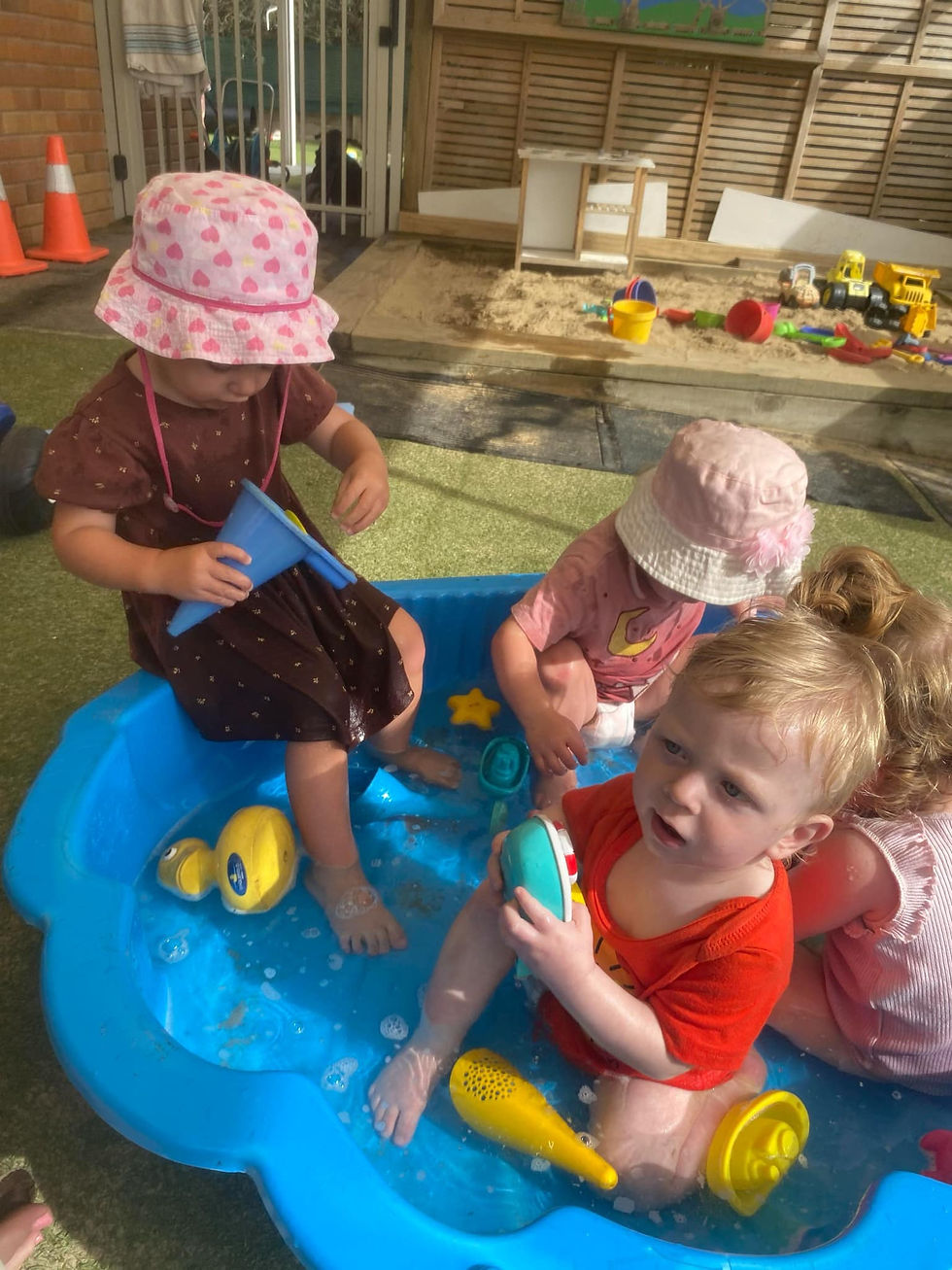
Agree on when you will check in again and what information would help. “They joined the water play after a cuddle” tells you more than “They were fine”. Equally, knowing that lunch remained difficult gives everyone something specific to support.
Keep home routines familiar where you can
You do not need to recreate the new room at home or start an independence training programme. During a period of change, ordinary routines can provide welcome predictability.
Keep your goodbye brief, warm and consistent. Tell your child you are leaving rather than slipping away, and describe your return using an event they understand, such as “after your afternoon snack”. Coordinate the handover with teachers so someone is ready to offer support.
Ask whether a familiar comfort item can accompany your child and how it will be available when needed. If rest arrangements are changing, share their usual sleep cues and talk through how these could be supported. Our guide to sleep routines in early childhood care explores this in more detail.
A move between preschool age groups can take extra energy, so leave room for a quieter evening or more closeness if your child seeks it. Where practical, avoid introducing several optional changes at home at the same time.
Recognise adjustment and know when to ask for more support
Some children become more tired, clingy or emotional during a room change. Others say little about it but need extra reassurance at drop-off. One unsettled day does not tell the whole story, and neither does one cheerful arrival.
Look for a pattern over time. Is your child developing a connection with a teacher? Are there moments of enjoyment? Can they accept comfort and return to something that interests them? Ask about eating, resting and participation as well as the goodbye.
For quieter children, joining a large group may not be the best measure of progress. Watching, playing alongside someone or approaching a trusted adult can also matter. Our article on helping shy children feel secure at preschool offers further ideas for supporting participation without pressure.
If distress during a move between preschool age groups is persistent, worsening or affecting everyday life, arrange a focused conversation with the teaching team. Discuss when distress occurs, what helps and whether the plan needs changing. Do not assume a child simply needs to push through.
If concerns about sleep, eating, behaviour or wellbeing continue beyond the transition setting, your GP or Well Child Tamariki Ora provider can help you consider what further support may be useful.
Frequently asked questions
How long should a room transition take? There is no single timetable that suits every child. Ask what flexibility the centre can offer and agree on review points. The quality of your child’s relationships and their experience in the room are more useful guides than comparing them with another child.
Does crying mean my child is not ready? Not necessarily. Ask what happens after you leave: whether your child accepts comfort, engages in play and has settled periods. Persistent distress deserves attention, even if the initial goodbye is quiet. Tears alone should not be the only measure.
Can separation anxiety return when my child changes rooms? Yes, familiar surroundings do not make every part of a room change familiar. Moving between preschool age groups may mean adjusting to different adults and routines. Agree on a consistent handover and make sure your child knows who can help them.
What if my child misses friends in their previous room? Acknowledge that they miss them rather than immediately redirecting to new friendships. Ask teachers whether opportunities for shared play or contact are available. New connections do not have to replace old ones straight away.
Talk through your child’s next step with Aubrey
Aubrey Early Learning Centre offers two age-specific rooms, play-based learning and nature-based outdoor play in a rural setting near Stillwater. If a room change is on your mind, bring your questions about friendships, comfort, rest and readiness to the team.
You can contact Aubrey about your child’s early learning needs and ask how transitions are approached. Sharing what helps your child feel secure is a useful place to begin.


Comments